Brick and Stone Flatwork Repair vs. Replacement for Commercial Properties
For commercial properties needing brick and stone flatwork repair or replacement, local contractors can assess damage and recommend the best solution to restore safety and appearance.
Understanding the differences between brick and stone flatwork repair versus replacement is an important step for commercial property owners facing aging or damaged surfaces. Whether you're managing a retail complex, office park, or industrial site, maintaining the integrity and appearance of your flatwork can influence safety, curb appeal, and long-term value. This page offers practical insights into how local contractors can help evaluate whether repairs or full replacements are the most suitable solution for your property's needs, guiding you toward informed decisions that align with your goals.
Property owners in the area often explore this topic to save costs, minimize disruption, and extend the lifespan of their brick and stone surfaces. Repairing damaged flatwork can often be a more efficient and affordable option compared to complete replacement, especially when issues are caught early. Local service providers experienced in brick and stone flatwork repair can assess the condition of your surfaces, recommend effective repair strategies, or advise when a full replacement might be necessary. Keep reading to learn how these options compare and how local experts can assist in preserving the quality and safety of your commercial property's flatwork.
- Cracked or uneven brick and stone flatwork - when damage affects safety or appearance, local contractors often recommend repair to preserve the structure before considering replacement.
- Worn or deteriorated surfaces - if the surface shows signs of aging but remains structurally sound, service providers can perform repairs to extend its lifespan instead of full replacement.
- Minor damage or surface cracks - small cracks or surface issues are typically addressed through targeted repairs, which are more cost-effective than replacing entire flatwork sections.
- Structural concerns or underlying issues - when foundational problems are detected, local pros evaluate whether repair can stabilize the flatwork or if replacement is necessary for long-term stability.
- Cost considerations and project scope - repair options are often preferred for their affordability and quicker turnaround when the flatwork is still structurally viable, compared to the more extensive process of replacement.
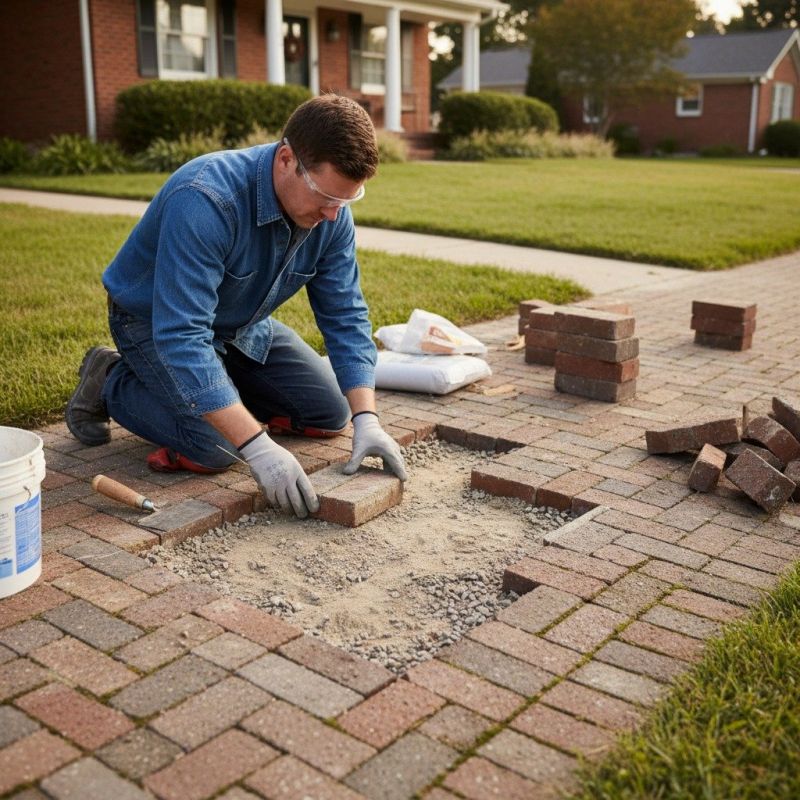
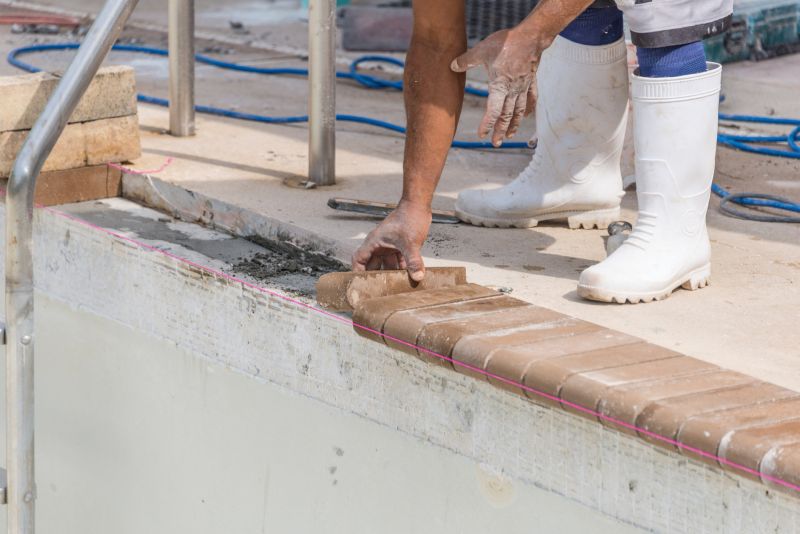
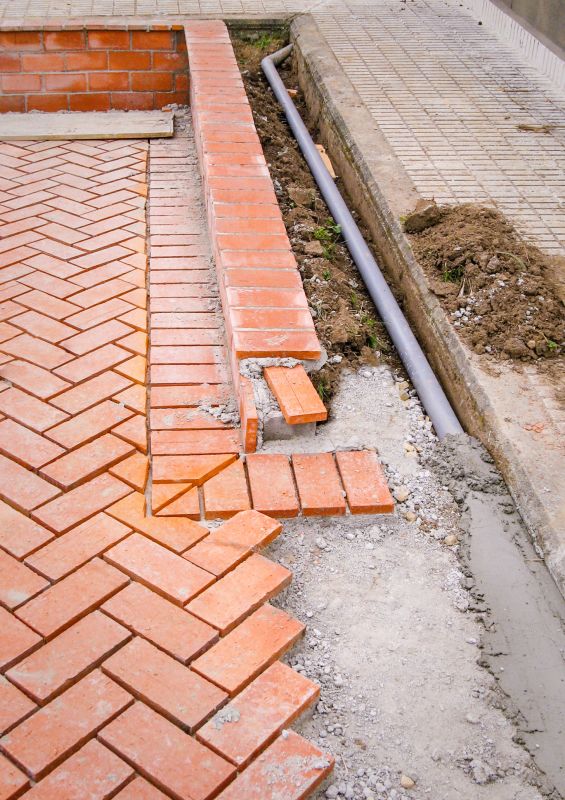
When people search for brick and stone flatwork repair versus replacement for commercial properties, they are usually trying to determine the most practical and cost-effective solution for damaged or deteriorating flat surfaces such as walkways, patios, loading docks, or courtyards. These surfaces are essential for the safety, functionality, and appearance of commercial properties, especially in areas with high foot traffic or heavy equipment. Property owners often want to understand whether repairs can restore the integrity of the flatwork or if a full replacement is necessary to ensure long-term durability. The decision typically depends on the extent of damage, the age of the existing flatwork, and the overall goals for the property's appearance and safety.
These topics are closely related to common property issues like cracking, spalling, uneven surfaces, or surface deterioration caused by weather, heavy use, or subpar initial installation. Plans for addressing these problems often involve evaluating whether localized repairs can extend the life of the existing flatwork or if complete removal and replacement are more suitable. Commercial properties such as retail centers, office complexes, industrial sites, and apartment complexes frequently encounter these concerns. When damage is isolated or minor, repair work often makes sense; for more extensive or structural problems, replacement might be the more practical route. Local service providers specializing in brick and stone flatwork can assess the condition of existing surfaces and recommend the best approach based on the specific needs of each property.
The types of properties that commonly come up in discussions about flatwork repair versus replacement include retail shopping centers, office parks, warehouses, manufacturing facilities, and multi-family residential complexes. These properties rely heavily on durable, well-maintained flat surfaces to support daily operations and customer or tenant access. Damage or deterioration in these areas can impact safety, accessibility, and curb appeal, making timely repairs or replacements critical. Local contractors experienced in brick and stone flatwork understand the unique demands of commercial environments and can provide tailored solutions to restore or upgrade flat surfaces efficiently. Whether addressing minor cracks or undertaking larger replacement projects, these professionals help property owners make informed decisions aligned with their operational needs.
Understanding the differences between repair and replacement for brick and stone flatwork helps property owners plan for maintenance and upgrades that protect their investments. Repair options typically involve patching, crack filling, or surface leveling to prolong the life of existing flatwork, often at a lower cost and with less disruption. Replacement, on the other hand, involves removing damaged surfaces and installing new brick or stone flatwork, which may be necessary when repairs are no longer feasible or when a property owner wants a fresh, updated look. Local service providers can evaluate the condition of flatwork and advise on the most suitable approach based on the damage severity, budget considerations, and the property's long-term goals. Making the right choice ensures that commercial flat surfaces remain safe, functional, and visually appealing for years to come.
Concrete paving projects - local contractors skilled in concrete work often handle paving and flatwork repairs, sharing techniques relevant to brick and stone flatwork restoration or replacement.
Sidewalk and curb repair - these projects involve similar planning and tools as brick and stone flatwork, requiring careful assessment of damage and appropriate repair or replacement strategies.
Patio and walkway installation - installing new patios or walkways involves skills in leveling, setting, and finishing surfaces comparable to those needed for brick and stone flatwork projects.
Foundation and footing repair - foundation work requires understanding of sub-surface conditions and repair methods that are also applicable when addressing issues in brick and stone flatwork.
Masonry restoration services - these projects involve restoring or replacing brick, stone, or similar materials, making them closely related to brick and stone flatwork repair and replacement work.
Paving stone and brick driveway installation - installing and repairing driveways involves skills in pattern setting and material handling similar to those used in flatwork repair or replacement for commercial properties.
When evaluating contractors for brick and stone flatwork repair versus replacement on commercial properties, experience with similar projects is a critical factor. It’s important to consider whether a service provider has a proven track record handling repairs and replacements in commercial settings, as these projects often involve larger areas, specific structural considerations, and unique building codes. Contractors with relevant experience can better assess the condition of existing flatwork, recommend appropriate solutions, and execute repairs or replacements efficiently, reducing the risk of future issues and ensuring the work aligns with the property's needs.
Clear, written expectations are essential to avoid misunderstandings and ensure the scope of work is well-defined. When comparing local contractors, it’s helpful to review detailed proposals that outline the work to be performed, materials to be used, and any warranties or guarantees offered. This transparency allows property owners to make informed decisions and ensures everyone is aligned on project goals. Good communication throughout the process is equally important, as it fosters a collaborative relationship, allows for timely updates, and provides opportunities to address questions or concerns before work begins or as it progresses.
Reputable references and reviews can offer valuable insights into a contractor’s reliability and quality of work. Asking for references from previous commercial clients or seeking feedback through independent review platforms can help gauge a contractor’s reputation. Additionally, a contractor’s responsiveness and professionalism in communication often reflect their overall approach to customer service. When considering brick and stone flatwork repair services, these factors-experience with similar projects, clear written expectations, reputable references, and effective communication-are key to selecting a service provider capable of delivering results that meet the specific demands of commercial property maintenance and repair.
Property owners often search for brick and stone flatwork repair vs. replacement for commercial properties when they are planning practical projects around their homes and businesses. Local pros provide Brick and Stone Flatwork Repair services for everyday jobs and straightforward project options.
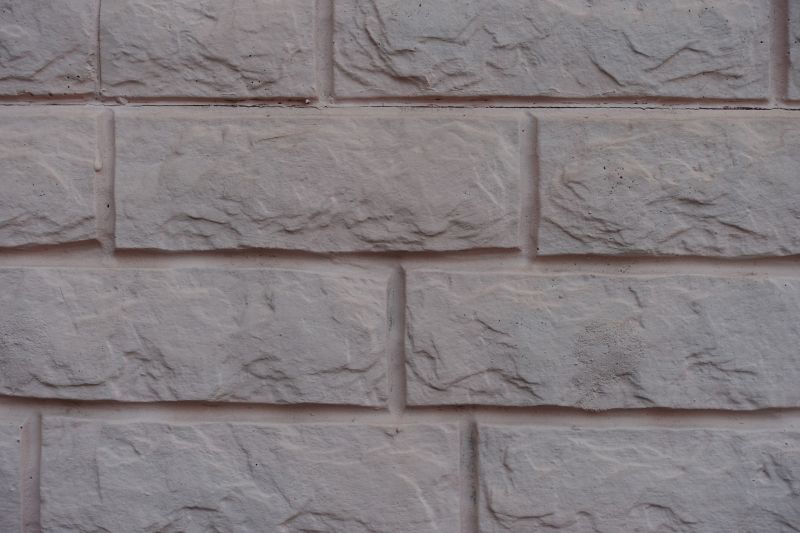
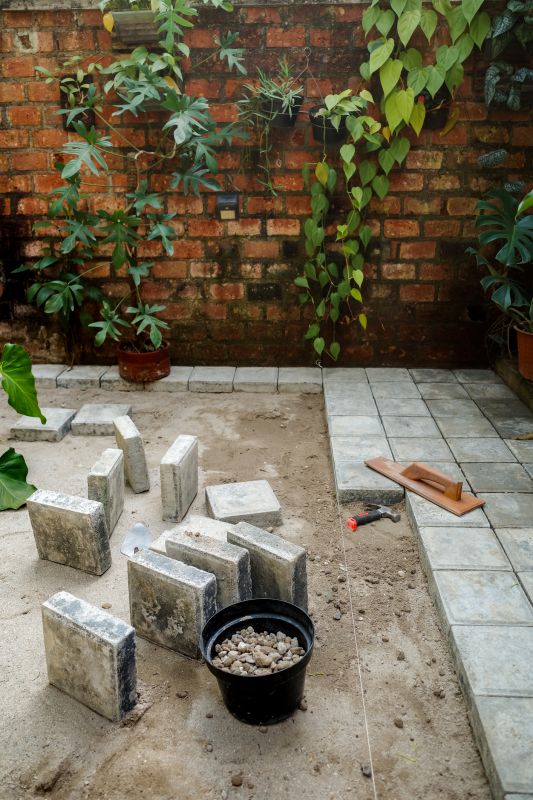
In many commercial properties, cracks, uneven surfaces, or deteriorating brick and stone flatwork can impact both safety and appearance. Property owners often consider whether repair or complete replacement makes the most sense for their situation. Local contractors specializing in brick and stone flatwork repair can assess the condition of existing surfaces and determine if targeted repairs will restore stability and aesthetics without the need for costly overhaul. Repair options are typically quicker and less disruptive, making them an attractive choice for maintaining the property's functionality while addressing specific issues.
However, there are cases where extensive damage or ongoing deterioration might lead property owners to explore full replacement of brick and stone flatwork. Local service providers can help evaluate whether repair efforts will be sufficient or if replacement is necessary to ensure long-term durability. Choosing repair over replacement can often save time and money, especially when only certain sections are affected. For those considering the best approach, consulting with experienced contractors can provide clarity on the most practical and cost-effective solution for maintaining a safe and visually appealing commercial property.
When should brick and stone flatwork repair be considered instead of replacement for a commercial property? Repair is suitable when damage is limited to cracks, chips, or surface issues, and the structural integrity remains intact. Replacement may be necessary if the flatwork is extensively deteriorated, has severe cracking, or has lost stability, making repair less effective.
How can I determine if repair or replacement is more cost-effective for my commercial brick and stone flatwork? Local contractors can assess the extent of damage and advise whether repair will restore the flatwork efficiently or if replacement is a better long-term solution based on the condition and longevity of the existing surface.
What are the main benefits of choosing repair over replacement for brick and stone flatwork? Repair typically involves less disruption, preserves the original appearance, and can be a more economical option when damage is minor or localized, extending the life of existing flatwork.
Are there specific signs that indicate a need for complete replacement instead of repair? Signs include widespread cracking, uneven settling, significant spalling, or structural instability that cannot be adequately addressed through repair methods.
How do local service providers ensure the quality of repair versus replacement for brick and stone flatwork? Experienced contractors evaluate the condition carefully, use appropriate repair techniques, and recommend the most suitable solution to ensure durability and a consistent appearance for commercial flatwork.
Assessing damage for repair or replacement - property owners can evaluate visible cracks or uneven surfaces to determine if brick and stone flatwork repair services are suitable or if replacement is needed.
Choosing repair techniques for longevity - property owners can work with local contractors to select appropriate repair methods that extend the life of existing brick and stone flatwork.
Deciding when replacement is necessary - property owners can consider replacement options when extensive damage or structural issues are present that repair cannot effectively address.
Planning for ongoing maintenance - property owners can develop maintenance plans with local pros to prevent future damage, helping to decide between repair and replacement over time.
If you are thinking about brick and stone flatwork repair vs. replacement for commercial properties for a property, this guide is meant to help you understand this topic, the typical project types, and how different options might fit your plans.
When you are ready, you can use the quote form on this page to share a few details about your project. From there, local pros can review the basics and follow up with options that match what you have in mind.