Common Causes of Damage in Commercial Brick and Stone Flatwork
Understanding common causes of damage in commercial brick and stone flatwork helps property owners find local contractors who can effectively repair and restore these surfaces.
Understanding the common causes of damage in commercial brick and stone flatwork is essential for property owners looking to preserve the integrity and appearance of their outdoor surfaces. Over time, factors such as freeze-thaw cycles, water infiltration, and ground movement can lead to cracks, spalling, and uneven settling. Recognizing these issues early can help prevent more extensive and costly repairs down the line. Property owners in the area who notice signs of deterioration might find it beneficial to explore how local contractors specializing in brick and stone flatwork repair can address these concerns effectively, ensuring their surfaces remain safe and visually appealing.
Many of the causes behind damage are related to environmental exposure and structural stress, making timely intervention important. Local service providers experienced in flatwork repair understand the unique challenges posed by the area's climate and soil conditions. They can assess the extent of damage and recommend appropriate solutions to restore stability and longevity. If signs of cracking, shifting, or surface deterioration are present, property owners are encouraged to seek guidance from these professionals to maintain the durability and value of their brick and stone surfaces.
- Cracked brick or stone flatwork - when freeze-thaw cycles or ground shifting cause damage, local contractors can perform repairs to restore stability.
- Efflorescence or staining - moisture infiltration can lead to surface discoloration, and service providers can address underlying issues and clean affected areas.
- Uneven or settled surfaces - soil movement or poor initial installation may require leveling and stabilization from experienced repair specialists.
- Spalling or surface flaking - exposure to moisture and temperature changes can cause surface deterioration, which local pros can repair with appropriate techniques.
- Joint deterioration or cracking - aging or ground movement can lead to joint failure, and local contractors can reseal and reinforce joints to prevent further damage.
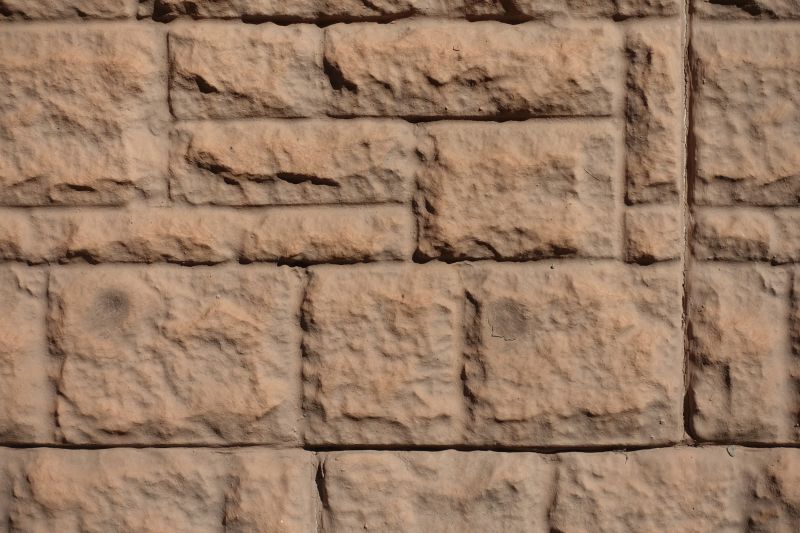
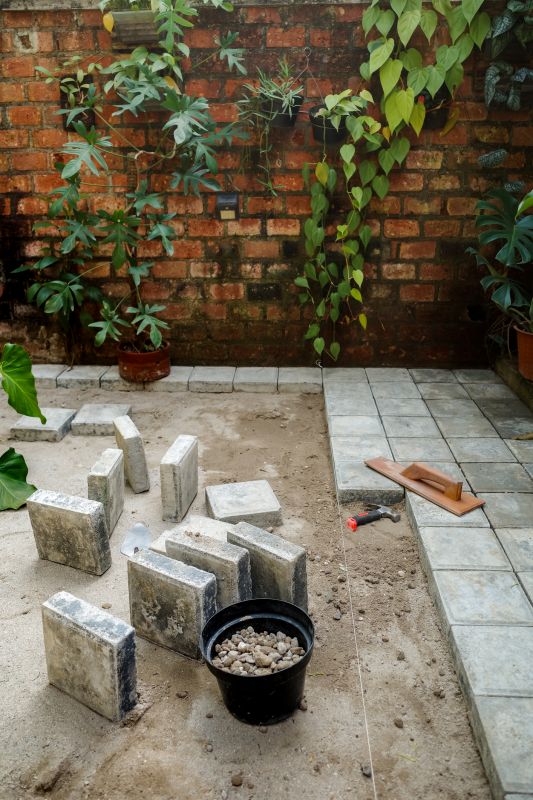
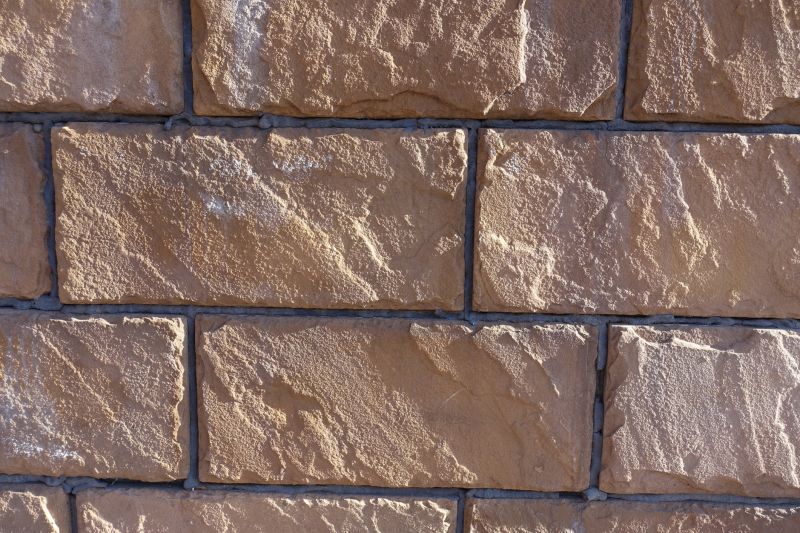
When people search for information on common causes of damage in commercial brick and stone flatwork, they are typically trying to understand why their existing surfaces are deteriorating or developing issues. This topic is relevant to property owners, facility managers, and business owners who want to maintain the integrity and appearance of their outdoor surfaces. Flatwork made of brick or stone is often used in sidewalks, patios, plazas, and entranceways, making it a key part of a property's curb appeal and functionality. Understanding what leads to damage helps in planning repairs, preventing future problems, and ensuring safety for visitors and employees.
Problems related to damage in commercial brick and stone flatwork can include cracking, spalling, uneven settling, or surface deterioration. These issues often stem from underlying causes such as poor installation, exposure to harsh weather conditions, or heavy traffic. For example, freeze-thaw cycles can cause expansion and contraction that lead to cracks, while water infiltration can weaken the mortar joints and cause stones or bricks to loosen or break apart. Recognizing these common causes helps property owners identify the root of the problems and work with service providers who specialize in repairs and restoration.
The types of properties most likely to experience damage in brick and stone flatwork are commercial in nature, including retail centers, office complexes, industrial parks, and institutional facilities. These properties often have high foot traffic or vehicle loads that put stress on the flatwork surfaces. Additionally, older buildings with historic brick or stone features may be more susceptible to damage due to aging materials and previous construction methods. For property owners managing such sites, understanding the common causes of damage is essential for scheduling maintenance and ensuring the longevity of their flatwork surfaces. Local contractors experienced in brick and stone repair can assess the specific issues and recommend appropriate solutions.
Addressing damage caused by these common factors requires expertise in masonry repair and restoration. Local service providers can evaluate the extent of deterioration, identify underlying issues such as improper drainage or structural movement, and perform repairs that restore both safety and appearance. Whether it involves replacing cracked bricks, repointing mortar joints, or stabilizing uneven surfaces, these professionals play a vital role in maintaining the integrity of commercial flatwork. By understanding the typical causes of damage, property owners can better plan for repairs and work with experienced contractors to extend the life of their brick and stone surfaces.
Paving and concrete installation - professionals skilled in paving and concrete work often handle projects involving brick and stone flatwork, requiring similar planning and surface preparation techniques.
Masonry restoration and repair - local contractors specializing in masonry restoration work on brick and stone surfaces, addressing issues caused by damage and deterioration.
Foundation and structural repair - experts in foundation repair are familiar with addressing subsidence and cracking issues that can impact the integrity of brick and stone flatwork.
Waterproofing and drainage solutions - service providers offering waterproofing and drainage upgrades help prevent water-related damage that is common in commercial flatwork environments.
Surface sealing and coating services - professionals applying sealants and protective coatings work to reduce damage from weathering, staining, and surface wear on brick and stone flatwork.
Site excavation and prep services - local contractors skilled in site prep ensure proper groundwork, which is crucial for preventing structural damage in brick and stone flatwork projects.
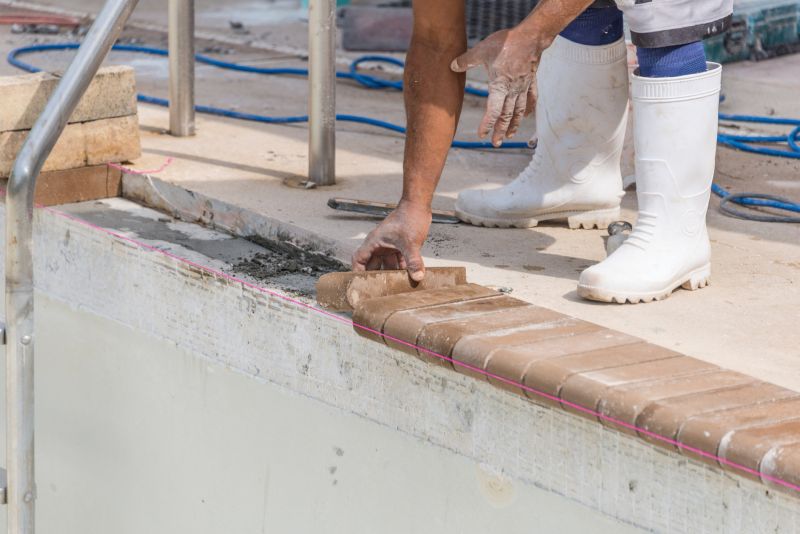
When evaluating service providers for commercial brick and stone flatwork repair, it is important to consider their experience with similar projects. Contractors who have a history of working on flatwork affected by common causes of damage-such as water infiltration, freeze-thaw cycles, or structural settlement-are more likely to understand the specific challenges involved. An experienced local contractor can assess the unique conditions of a property and recommend appropriate repair strategies that address underlying issues, helping to ensure a durable and long-lasting solution.
Clear written expectations are essential when comparing local contractors for flatwork repair services. A reputable provider will be able to outline the scope of work, materials to be used, and the steps involved in the repair process in a straightforward manner. Having detailed, written expectations helps prevent misunderstandings and provides a basis for evaluating whether the proposed approach aligns with the property's needs. This transparency also facilitates informed decision-making and ensures that the repair work addresses the root causes of damage effectively.
Reputable references and good communication are key indicators of a reliable service provider. Local contractors with positive references from previous clients can offer insights into their professionalism, quality of work, and ability to handle issues related to common causes of damage in brick and stone flatwork. Additionally, contractors who communicate clearly and promptly are better equipped to keep property owners informed throughout the project, address questions or concerns, and adapt to any unforeseen issues that may arise. These qualities contribute to a smoother repair process and help ensure that the flatwork is restored to a condition that withstands future challenges.
Property owners often search for common causes of damage in commercial brick and stone flatwork when they are planning practical projects around their homes and businesses. Local pros provide Commercial Brick and Stone Flatwork Repair services for everyday jobs and straightforward project options.
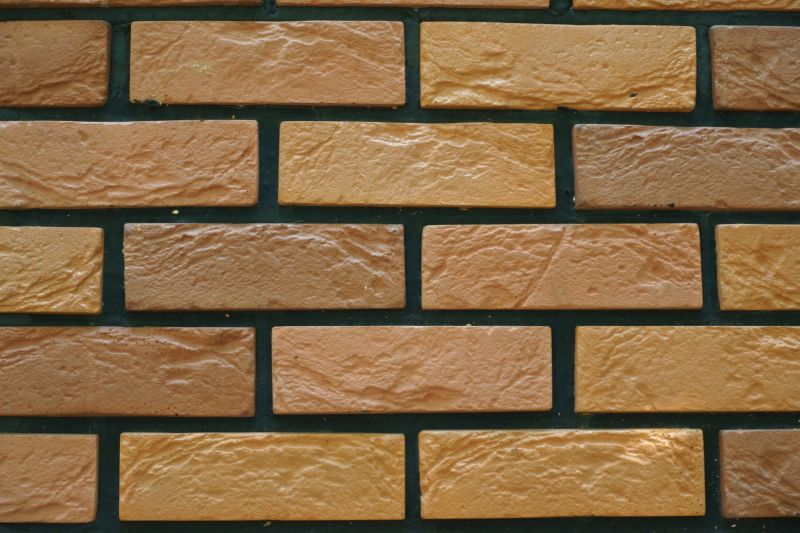
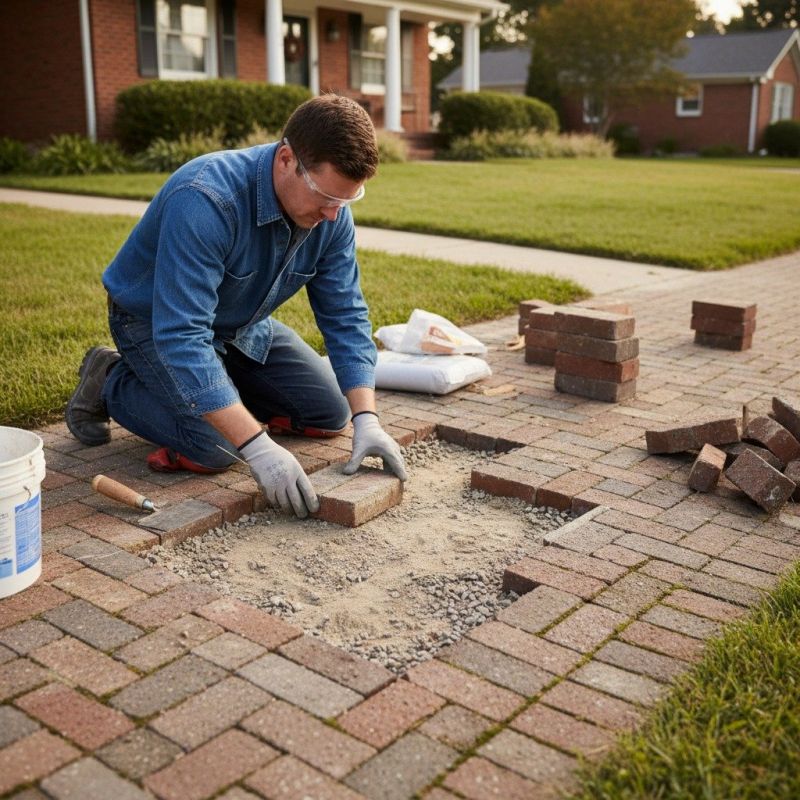
Many commercial properties experience damage to their brick and stone flatwork due to common, everyday situations. Heavy foot traffic or frequent vehicle movement can cause surface wear, cracking, or chipping over time. Additionally, exposure to moisture-whether from rain, snow, or nearby landscaping-can lead to deterioration, especially if water seeps into cracks and freezes, causing further damage. Poor drainage around the property can also contribute to standing water that weakens the integrity of the flatwork, making it more susceptible to cracking and shifting.
Other typical causes of damage include temperature fluctuations that cause expansion and contraction of the materials, leading to cracks or surface spalling. Improper installation or substandard materials can also result in early deterioration, requiring repair from experienced service providers. Property owners often seek out local contractors who specialize in brick and stone flatwork repair to address these issues and restore the durability and appearance of their surfaces. These professionals can assess the damage, identify the root causes, and provide effective solutions to help maintain the safety and functionality of the flatwork.
What are common causes of damage in commercial brick and stone flatwork? Common causes include exposure to freeze-thaw cycles, improper installation, and heavy loads that exceed the material’s capacity.
How does water infiltration lead to damage in brick and stone flatwork? Water infiltration can cause freeze-thaw damage, erosion of mortar joints, and deterioration of the materials over time.
Can poor drainage contribute to damage in flatwork surfaces? Yes, poor drainage can lead to water pooling and increased moisture exposure, accelerating deterioration and cracking.
What role does structural movement play in damaging brick and stone flatwork? Structural movement from settling or shifting foundations can cause cracks, uneven surfaces, and instability in the flatwork.
How do environmental factors like temperature fluctuations affect flatwork damage? Temperature changes cause expansion and contraction in bricks and stones, which can lead to cracking and mortar failure if not properly installed or maintained.
Water infiltration - Property owners can work with local contractors to identify and seal cracks or gaps that allow water to penetrate brick and stone flatwork, preventing further damage.
Freeze-thaw cycles - Regular inspections by local pros can help detect freeze-thaw damage early, allowing for timely repairs that minimize surface cracking and spalling.
Heavy loads and traffic - Consulting with local contractors can ensure proper reinforcement and load distribution to prevent stress-related damage in commercial flatwork areas.
Poor installation practices - Engaging experienced service providers can address improper installation issues that lead to uneven settling and structural deterioration over time.
If you are thinking about common causes of damage in commercial brick and stone flatwork for a property, this guide is meant to help you understand this topic, the typical project types, and how different options might fit your plans.
When you are ready, you can use the quote form on this page to share a few details about your project. From there, local pros can review the basics and follow up with options that match what you have in mind.